Condition

Back pain that won't quit.

Pills and ice packs mask symptoms. We look at why your back is hurting in the first place, then build a plan to actually fix it.

Medically reviewed by Dr. Tom McGuire, DC  ยท  Updated June 2026

Secure Your New
Patient Appointment
Returning Patient? Text or call us at 732-583-7799
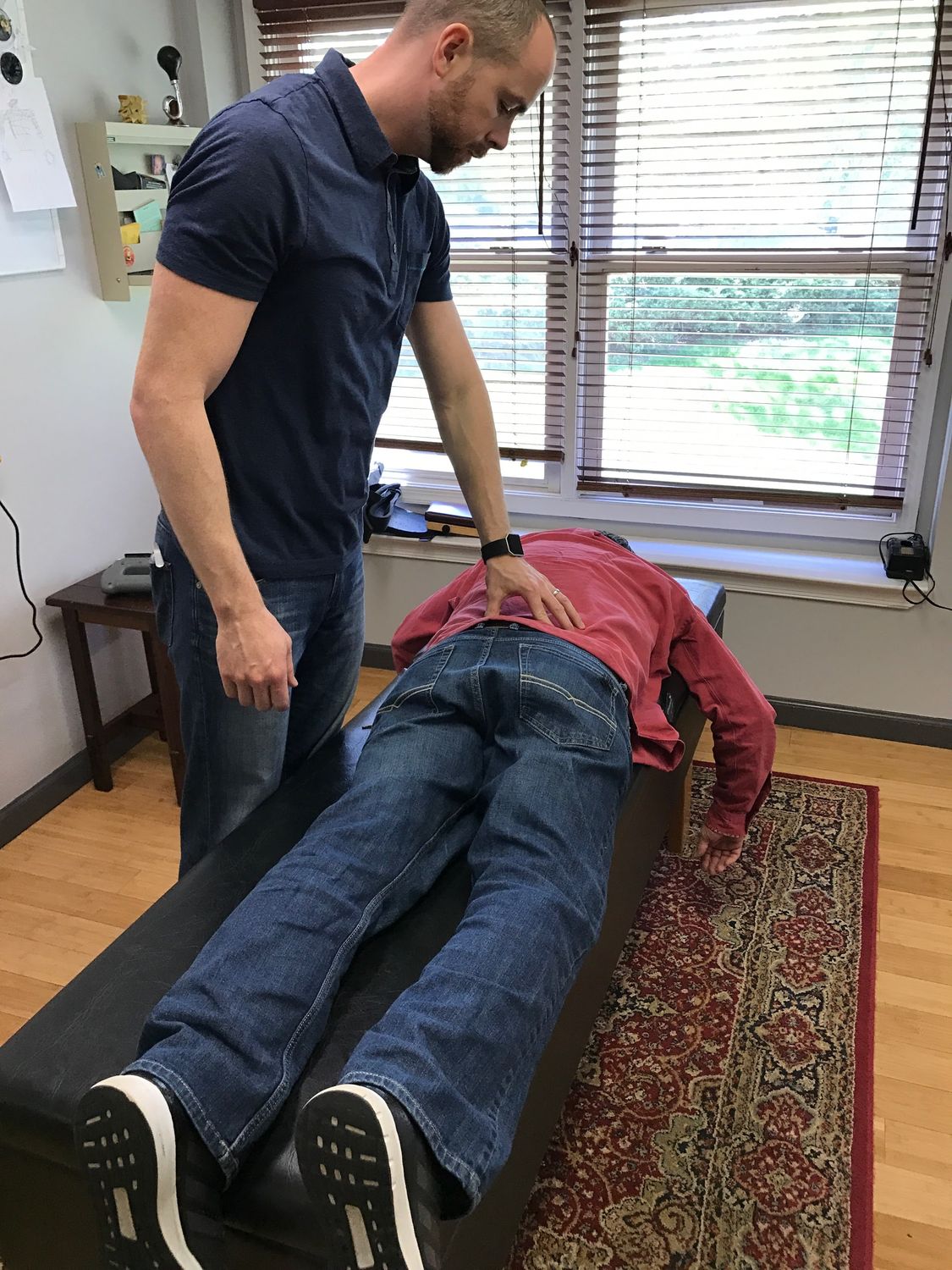
Root cause approach Dr. Tom adjusting a patient
How we help

Find what's actually causing it.

Disc compression, nervous system tension, posture, movement patterns. We look at all of it.

Our approach

  • Full spinal exam and posture analysis to find the real root cause.
  • Spinal decompression therapy when disc compression is involved.
  • Targeted adjustments to restore proper movement.
  • Rehabilitation and home exercises so your progress actually holds.
  • Functional health support if inflammation or gut issues are part of the picture.
The result: not just temporary relief, but a back that's actually stronger, more stable, and less prone to flare-ups.
The honest version

Most back pain isn't a back problem.

It's a nervous system problem. A movement problem. An inflammation problem. Until you address the actual cause, your back will keep hurting no matter how many pills you take.

Secure Your New Patient Appointment Returning Patient? Text or call us at 732-583-7799

Signs your back pain needs a real look

Some back pain fades in a few days. Other times it sticks around, or keeps coming back, and that is your body telling you something underneath is off. It is worth coming in if you notice pain that lasts more than a week or two, pain that travels into your hip, buttock, or leg, stiffness that is worse in the morning, pain that flares when you sit or bend, or a back that "goes out" again and again.

What is usually behind it

In our Matawan and Bradley Beach offices, most lasting low back pain traces back to one of a few things: a disc under pressure, a joint that has locked up, a pelvis that has been off so long the muscles rewired around it, or weak stabilizing muscles that let the same problem return. Pills and rest can quiet the pain for a while, but they do not change any of that. That is why it keeps coming back.

What care looks like here

We start by finding the real cause with a full exam and, when needed, motion study X-rays taken right in the office. From there we build a specific plan: targeted adjustments to free up the joints that are stuck, spinal decompression when a disc is involved, and rehab to wake up the muscles that hold everything in place. You also get simple home exercises so the progress sticks between visits. Most patients feel a real difference within the first two to four weeks.

Common questions

Back pain FAQ

How long does it take to feel better?
Most patients feel meaningful relief within the first 2-4 visits. Full resolution depends on what's causing it. Dr. Tom gives you an honest timeline at your first visit so you know exactly what to expect.
Will I need surgery?
Very few back pain cases truly need surgery. We've helped many patients who were told surgery was their only option. We'll review your imaging, do a full exam, and tell you honestly if we think chiropractic and decompression can help.
Do you do the cracking motion?
Adjustments can involve a sound, but it's never about the sound. The sound is just gas releasing from a joint. We use gentle, specific techniques designed for your body, not aggressive twisting or popping.